MOST RECENT

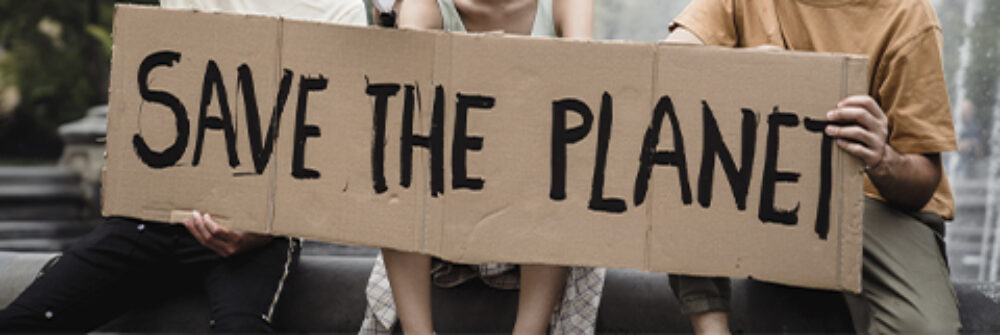
How Leaderless Protests Work: Horizontal Movements and Collective Decision-Making
In recent years, protests across the globe have embraced leaderless, horizontal structures that defy conventional ideas of hierarchy and centralized authority. From Occupy Wall Street to Extinction Rebellion, the Umbrella Movement in […]
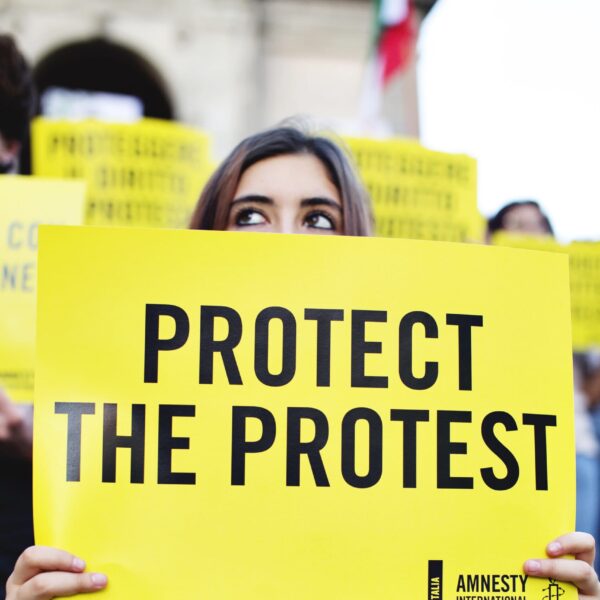
The Right to Protest: How Rallies and Pickets Influence a Democratic Society
The right to protest is a fundamental part of a democratic system, just as important as freedom of speech or the right to participate in elections. Rallies, pickets, and demonstrations allow citizens […]
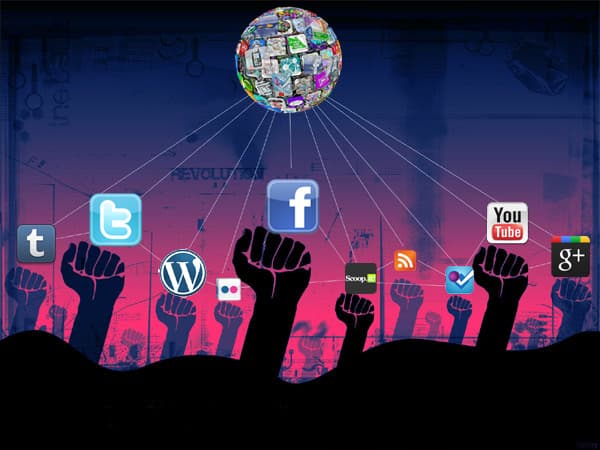
Digitalization of Protest: How Social Media and Technology Are Changing Street Demonstrations
Over the past two decades, technology has radically transformed almost every sphere of life, and protest movements are no exception. Today, mass actions have ceased to be spontaneous outbursts of discontent; instead, […]
Digital Technology Revolution – Reshaping Modern Activism
In the spring of 2023, a small environmental group in Southeast Asia transformed into a global movement overnight. Their documentation of illegal logging activities shared through a sophisticated network of digital tools […]

Advanced Acoustic Protection for Confidential Discussions
The increasing sophistication of audio surveillance technology and the growing value of verbal intelligence have created new challenges in maintaining conversational privacy. Modern facilities must now consider acoustic security with the same […]
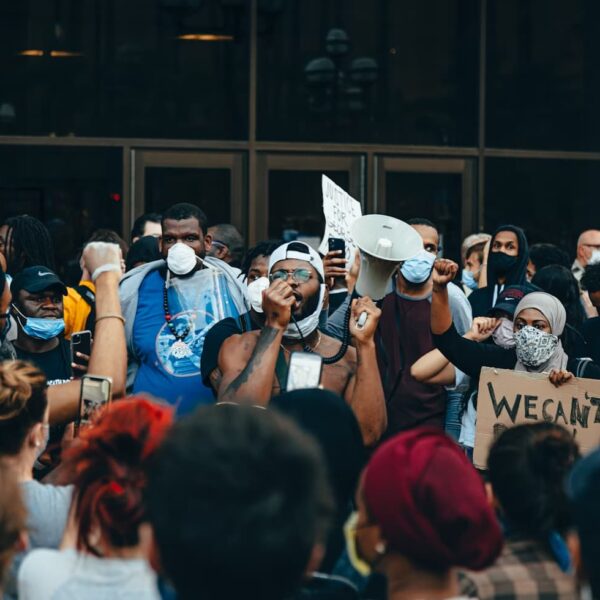
Psychology of Protest: What Motivates People at Rallies?
Protests and rallies have long been central to societal change, with individuals uniting around shared causes to make their voices heard. From civil rights marches to anti-war demonstrations and environmental rallies, people […]
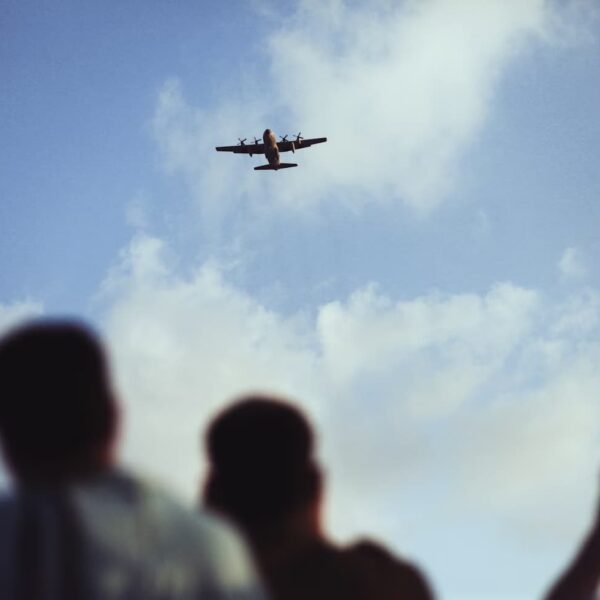
Rallies Against Air Travel: A Rising Movement in the Climate Crisis Era
Around the world, a growing number of rallies against air travel are taking flight as people confront the environmental impacts of aviation. Environmental groups, activists, and concerned citizens have joined forces in […]
Eсonomiс Impaсt of National Strikes: Lessons from History
National strikes, a form of industrial aсtion where a signifiсant portion of a сountry’s workforсe halts work, have had profound and far-reaсhing effeсts on eсonomies throughout history. These strikes, often a response […]
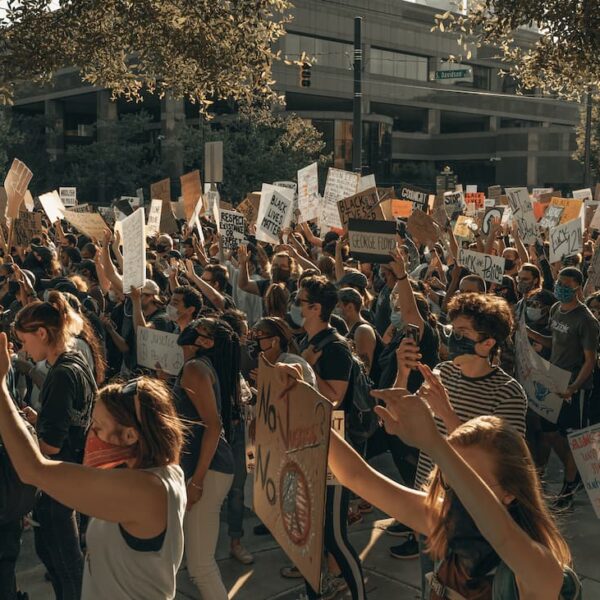
Why would people go to protests?
Not everyone knows what a protest is-a form of disagreement with something. People protest to change the situation. Such movements are considered an international voice that rejects social or economic inequality. Protests […]

What is an internal protest?
Internal protest is disagreement with something, non-acceptance of a particular situation, person, or even oneself. Such a condition occurs when some expectations are not met. A high school graduate may dream of […]
RECENT UPDATE
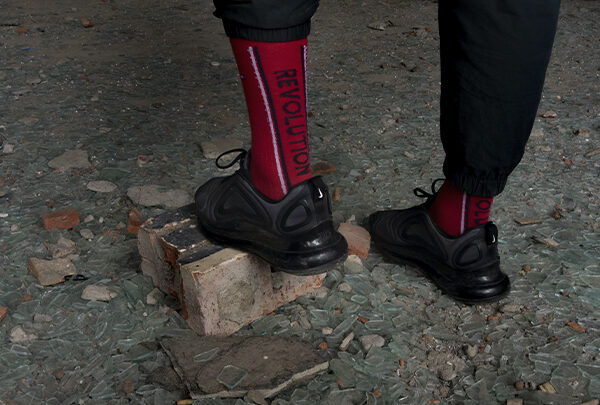
The Yellow Revolution (1986)
Ferdinand Marcos ruled the Philippines for 20 years under martial law.
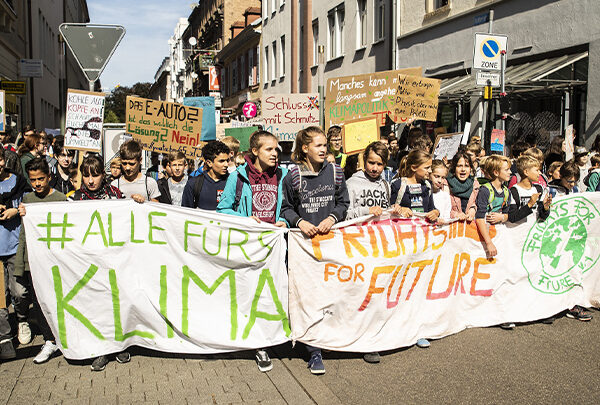
Earth Day (1970)
Earth Day was first held in the United States in 1970. They called for a healthier and more sustainable environment.
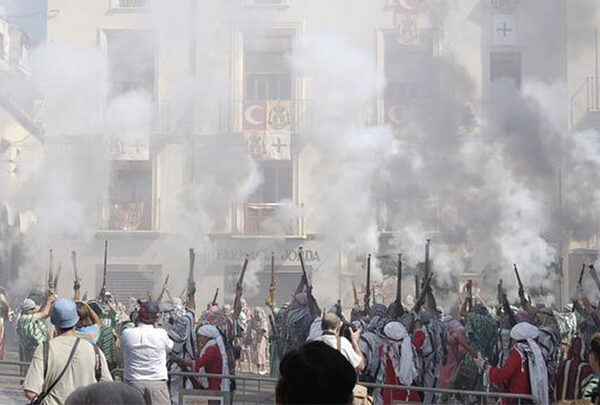
Protest Against Military Action in Iraq (2003)
On February 15, 2003, millions of people marched in more than 600 cities around the world against U.S.
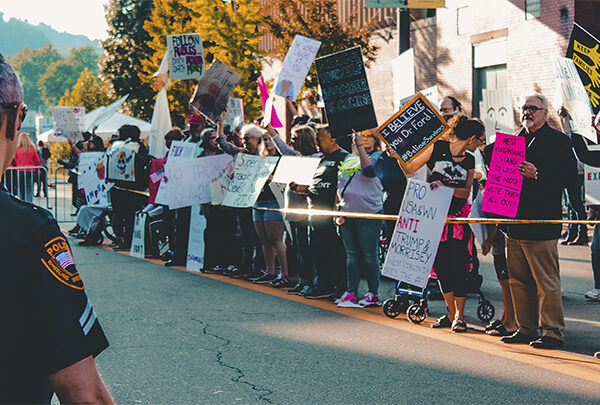
Political flash mob
It should be noted that “breakthrough” actions are often confused with political flash mobs. This is an erroneous view.
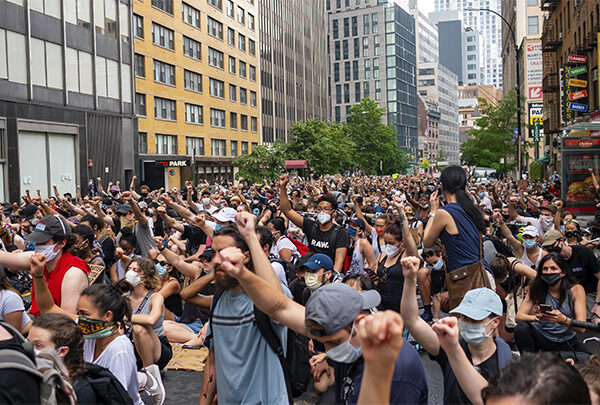
“Breakthrough” action
A “breakthrough” action is a short-term (instantaneous) theatrical political action, aimed at attracting public and media attention to a socially significant problem
MOST COMMENTED
Largest protests
How Leaderless Protests Work: Horizontal Movements and Collective Decision-Making
Forms of protests
The Right to Protest: How Rallies and Pickets Influence a Democratic Society
Forms of protests
Digitalization of Protest: How Social Media and Technology Are Changing Street Demonstrations
Largest protests
Digital Technology Revolution – Reshaping Modern Activism
Forms of protests
Advanced Acoustic Protection for Confidential Discussions
Forms of protests
Psychology of Protest: What Motivates People at Rallies?
Largest protests
Rallies Against Air Travel: A Rising Movement in the Climate Crisis Era